Baby Boomers Refuse to Retire: Why More Over-60s Are Staying in Work
Baby Boomers Refuse to Retire: Why More Over-60s Are Staying in Work
There's a headline that keeps appearing in different forms across every major newspaper: Baby Boomers won't stop working. And honestly? Good. Because framing it as "refusing to retire" misses the point. What's actually happening is that an entire generation is redefining what the last third of life looks like — and work, on their own terms, is part of that picture.
30 Years Ago - Only 12% were expected to work past 65
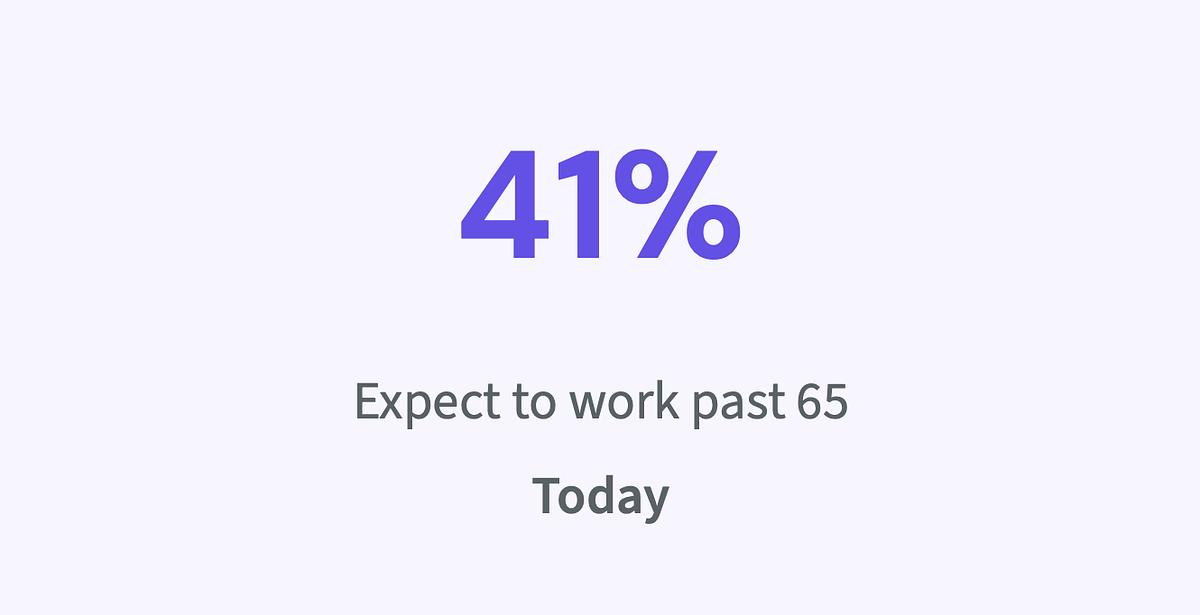
Today - 41% are expected to work past 65
That shift — from 12% to 41% in a single generation — tells you everything about how profoundly attitudes toward retirement have changed. This isn't about people being forced to work because they're struggling (although some are). It's about a generation that lived through economic booms, recessions, a pandemic, and a cost-of-living crisis deciding that they're not done yet.
But here's what makes Boomers different from previous generations in this position: they're not going back to the same jobs on the same terms. The majority aren't seeking full-time employment. Legal & General found that only 3% of retired returners plan to go back to full-time work. Most are pursuing part-time or seasonal roles — 14% of those who haven't yet returned said they'd consider part-time or seasonal work if the right opportunity came along.
It's about more than money
Bain & Company's survey of 40,000 workers across 19 countries revealed something fascinating about how motivations shift with age. Before 60, the average worker's primary motivator is compensation. After 60, there's a clear tipping point: interesting workbecomes the top priority, followed by autonomy and flexibility.
The researchers identified that older workers increasingly fall into two "archetypes": Artisans (motivated by mastering their craft, wanting autonomy and interesting challenges) and Givers (motivated by service and making a positive impact on others).
"There was an increase in retirements during the peak-Covid Great Resignation, but that moment is now looking more like the Great Sabbatical — a blip, not a trend." — James Root, Bain & Company
This tracks with what we hear from people using SemiRetired every day. They're not looking for the career they left. They're looking for something that fits the life they've built since — a few days a week, close to home or remote, doing something that gives them a reason to set an alarm clock again.
The UK pension age is moving — and so are expectations
The UK State Pension Age is set to rise to 67 for both men and women between 2026 and 2028, with further increases under review. This is a policy response to longer lifespans, but it also reflects a reality that many Boomers have already internalised: retirement at 60 or 65, followed by 25+ years of not working, is increasingly difficult to fund and — for many — increasingly difficult to enjoy.
Robert Walters' research found that 70% of UK professionals now expect to delay retirement or work longer due to financial concerns. And 31% of those who have "unretired" did so within the past 18 months alone.
What employers need to understand
Here's where the disconnect shows up. While 77% of employers say they view returning retirees positively, more than half of professionals aged 60+ report feeling overlooked during hiring. And a striking 89% believe their current employer doesn't take enough time to understand their professional needs.
Only about 4% of companies globally have programmes designed to integrate older workers or support a multigenerational workforce, according to AARP data cited by Bain.
The message to employers is straightforward: if you want access to experienced, reliable, loyal workers — and the data shows older workers are all three — you need to actually design roles and processes that welcome them. That means flexible hours, clear job descriptions, age-neutral hiring language, and an honest conversation about what matters to someone at this stage of life.
Boomers aren't "refusing" to retire. They're choosing what comes next.
The language of "refusal" implies stubbornness or denial. The reality is something far more positive. This is a generation that's healthier, more active, and more connected than any generation of retirees before them. Many have 20+ productive years ahead when they reach traditional retirement age. The idea that they should simply stop contributing — to their finances, their communities, their own wellbeing — doesn't hold up anymore.
Whether it's two days a week at a local charity, a seasonal role at a garden centre, a consultancy gig using 30 years of sector expertise, or a part-time NHS admin position — the common thread is choice. Working because you want to, when you want to, doing something that matters to you.
And that's not refusal. That's freedom.